Five Elements Vastu Zones and Colors: A Complete Guide to Directions, Zones & Home Design
Understanding Earth, Water, Fire, Air and Space – their role in creating a balanced living environment
Introduction: Why Are the Five Elements Important in Vastu Shastra?
Have you ever wondered why Vastu Shastra recommends certain directions for specific rooms? Why is the North-East considered important for a prayer room, while the South-East is traditionally associated with the kitchen? Why are particular colors recommended for different areas of a home?
The answers to many of these traditional Vastu principles are connected with the concept of the Five Elements, also known as Pancha Mahabhuta.
According to ancient Indian philosophy, the universe and all forms of life are associated with five fundamental elements:
- Earth (Prithvi)
- Water (Jal)
- Fire (Agni)
- Air (Vayu)
- Space (Akasha)
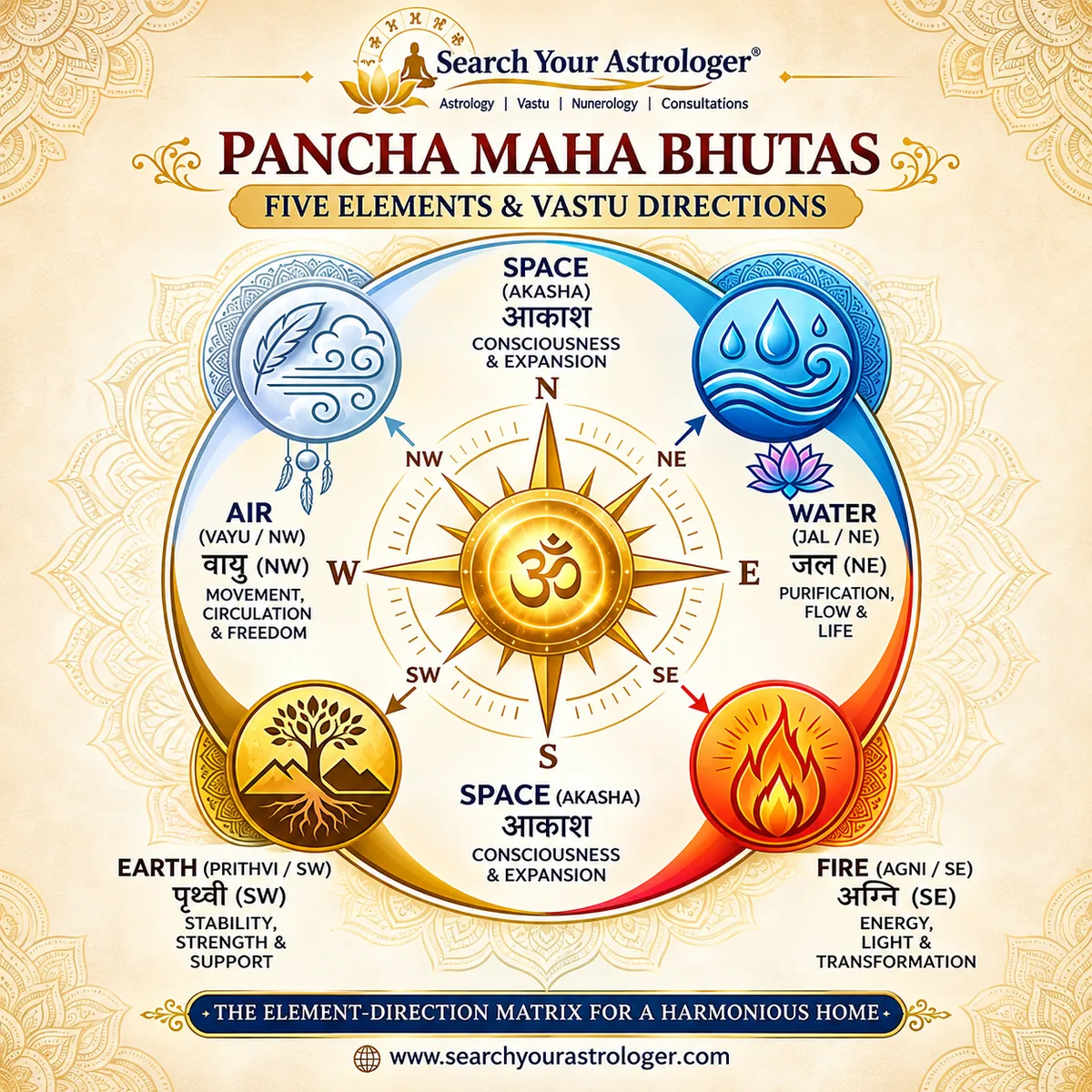
These five elements represent different aspects of nature and are traditionally associated with stability, movement, energy, expansion and life.
Vastu Shastra incorporates the concept of Pancha Mahabhuta into the planning and design of living spaces. It considers the relationship between directions, spatial arrangements, natural elements, colors and the functions of different areas within a building.
Understanding these elements can help homeowners appreciate the traditional principles behind Vastu and make more thoughtful decisions about their home's layout, interiors and overall environment.
In this guide to five elements Vastu zones and colors, we will explore all five elements, their associated Vastu zones, traditional colors and practical applications in modern homes.
1. Understanding the Five Elements in Vastu Shastra
Before exploring individual directions and zones, it is important to understand what each element represents.
1.1 Earth Element (Prithvi) – Stability and Strength
The Earth element represents stability, strength, support and nourishment.

In traditional Indian philosophy, Earth is associated with the physical foundation of life. In Vastu, it is symbolically connected with the stability of a building and the grounded nature of its occupants.
Traditional associations:
- Stability and security
- Strength and support
- Physical structure
- Groundedness
- Long-term continuity
Associated colors: Beige, brown, earthy yellow and other natural shades.
Practical applications:
Earthy colors, wooden furniture, stone finishes and natural textures can create a warm and grounded atmosphere. These materials are often suitable for bedrooms and spaces where comfort and relaxation are priorities.
1.2 Water Element (Jal) – Flow and Purity
Water represents life, purification, movement and nourishment.

It is essential for all living organisms and plays an important role in traditional Vastu planning.
The Water element is commonly associated with the North-East zone in a widely followed directional interpretation.
Traditional associations:
- Flow and movement
- Purity and cleanliness
- Renewal
- Nourishment
- Calmness
Associated colors: Light blue, white and other soft water-inspired shades.
Practical applications:
Water features, clean water storage areas, aquariums and light blue interiors are sometimes incorporated into Vastu-inspired designs.
However, water features should always be maintained properly. Leakage, dampness and stagnant water can create practical problems regardless of Vastu considerations.
1.3 Fire Element (Agni) – Energy and Transformation
Fire represents energy, light, heat and transformation.
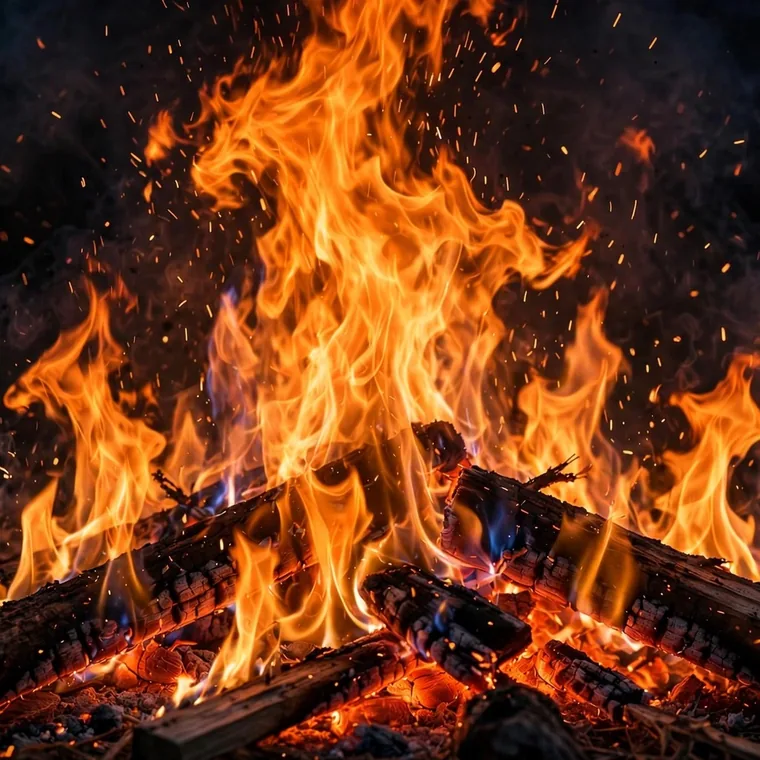
It is associated with activities that involve cooking, heating and electrical energy.
In the commonly followed directional system, the South-East zone is associated with Agni.
Traditional associations:
- Energy and vitality
- Transformation
- Light and illumination
- Heat
- Activity and action
Associated colors: Red, orange, coral and warm shades.
Practical applications:
The kitchen is traditionally associated with the Fire element. Warm color accents, appropriate lighting and an organised cooking area can reflect this association.
Electrical appliances, cooking equipment and heating systems should be installed with proper attention to safety and ventilation.
1.4 Air Element (Vayu) – Movement and Communication
Air represents movement, circulation, freedom and communication.

It is essential for breathing and maintaining a comfortable indoor environment.
In a commonly followed Vastu interpretation, the North-West zone is associated with the Air element.
Traditional associations:
- Movement
- Circulation
- Communication
- Flexibility
- Freedom
Associated colors: White, cream and light grey.
Practical applications:
Windows, balconies, ventilation systems and open spaces contribute to proper air circulation.
A well-ventilated home with sufficient natural airflow is also beneficial from a practical indoor-environment perspective.
1.5 Space Element (Akasha) – Expansion and Openness
Space, or Akasha, represents openness, expansion and the existence of space in which everything else operates.

In Vastu Shastra, the central area of a building is traditionally known as Brahmasthan and is associated with the Space element.
Traditional associations:
- Expansion
- Openness
- Clarity
- Spaciousness
- Balance
Associated colors: White, off-white and light yellow.
Practical applications:
Keeping the central area of a home reasonably open, clean and well-lit is a common traditional recommendation.
Excessive clutter and unnecessarily heavy furniture in the centre can make a space feel congested.
2. Five Elements and Their Vastu Directions
One of the most interesting aspects of Vastu Shastra is the relationship between the five elements and the directional zones of a property.
A widely followed traditional directional interpretation associates the elements with the following zones:
| Direction / Zone | Element | Traditional Colors |
|---|---|---|
| North-East (NE) | Water | Light Blue, White |
| South-East (SE) | Fire | Red, Orange |
| South-West (SW) | Earth | Beige, Brown, Yellow |
| North-West (NW) | Air | White, Cream, Light Grey |
| Centre (Brahmasthan) | Space | White, Light Yellow |
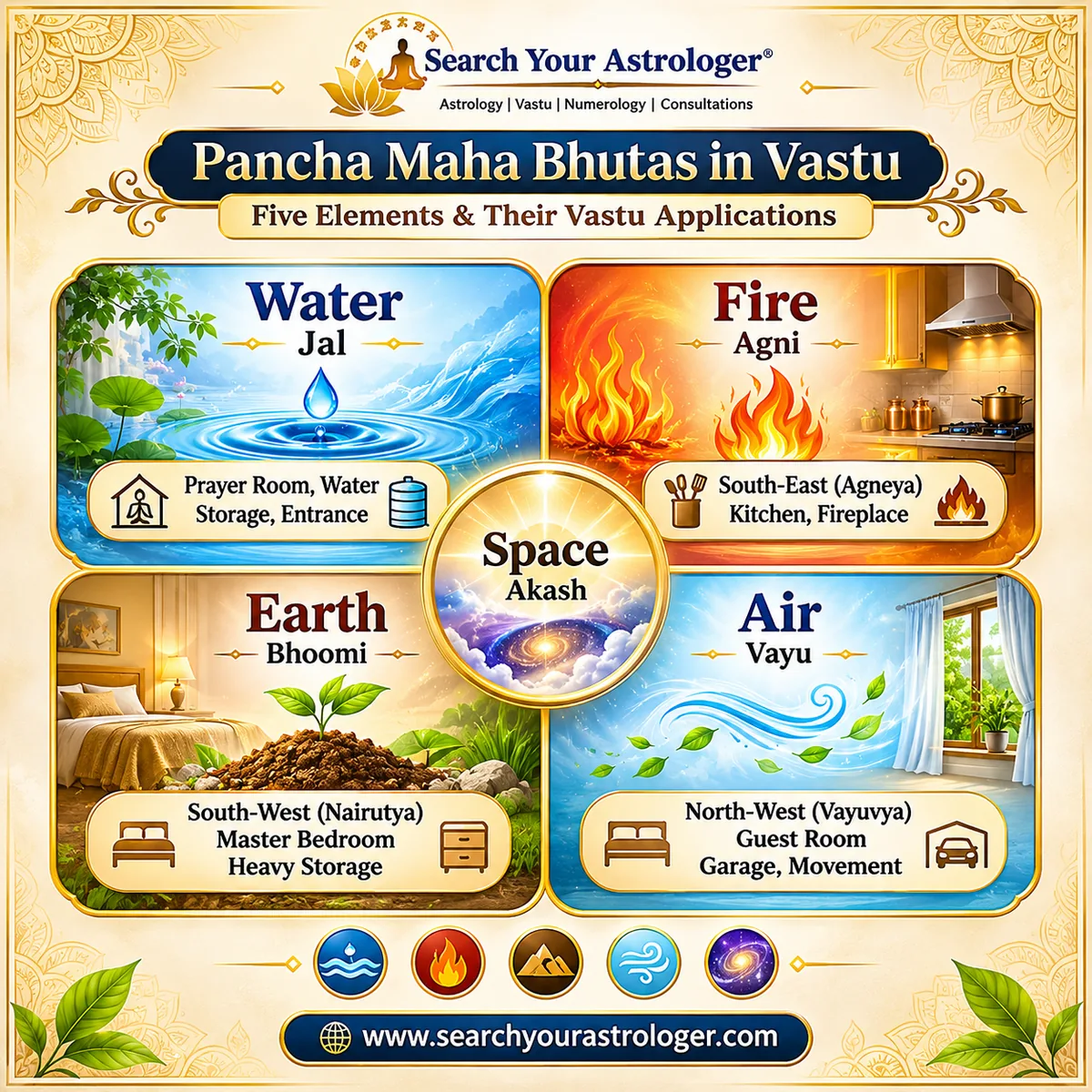
These associations are useful for understanding one commonly followed Vastu framework.
It is important to understand that different Vastu traditions and interpretative systems may describe directional and elemental relationships differently. Therefore, this chart should be understood as a traditional reference rather than a universal rule followed identically by every school of Vastu.
3. Earth Element in Vastu – South-West Direction
Why is the South-West considered important for stability?
The South-West direction is traditionally associated with the Earth element. It is considered a zone representing stability, strength and groundedness.
In many Vastu interpretations, this direction is given importance when planning bedrooms, particularly the master bedroom.
Recommended Colors for South-West
The following colors are traditionally preferred:
- Beige
- Light brown
- Cream
- Earthy yellow
- Soft ochre
These colors can create a warm and comfortable interior environment.
Interior Design Applications
Consider incorporating:
- Wooden furniture
- Natural stone finishes
- Earth-toned curtains
- Beige or brown upholstery
- Warm lighting
These choices can create a visually grounded and relaxing atmosphere.
Common Vastu Considerations
Some traditional recommendations include:
- Avoid excessive use of very bright colors.
- Maintain a clean and organised environment.
- Avoid unnecessary clutter.
- Prefer balanced and visually stable furniture arrangements.
Excessive use of blue is sometimes discouraged in this zone under the elemental framework discussed here. However, color selection should also consider natural lighting, room size and the overall interior design.
Practical takeaway: Use earthy shades and natural textures to create a comfortable, stable-looking South-West space.
4. Water Element in Vastu – North-East Direction
Why is the North-East called the Ishan Kon?
The North-East direction is traditionally known as Ishan Kon. It is considered an important zone in many Vastu traditions and is commonly associated with the Water element.
This direction is traditionally connected with clarity, purity, spiritual activities and the flow of water.
Recommended Colors for North-East
- Light blue
- White
- Off-white
- Very light cream
Soft colors are generally preferred in this zone.
Water Sources and Their Placement
Traditional Vastu recommendations often discuss the placement of water-related features, including:
- Water storage
- Small fountains
- Aquariums
- Water features
- Drinking water arrangements
The suitability of any water feature should also depend on the building's actual plumbing, waterproofing and maintenance requirements.
Prayer Room and Meditation Area
The North-East is frequently recommended for prayer and meditation spaces.
A clean, peaceful and uncluttered environment can make this area more suitable for quiet activities.
Common Mistakes
- Allowing water leakage or dampness.
- Keeping stagnant or unclean water.
- Using unnecessarily dark interior colors.
- Allowing the area to become cluttered.
- Installing decorative water features without proper maintenance.
Practical takeaway: Keep the North-East clean, bright and well-maintained. Light colors and a peaceful arrangement can complement its traditional association with the Water element.
5. Fire Element in Vastu – South-East Direction
Why is the South-East associated with the kitchen?
The South-East direction is traditionally known as Agneya Kon and is associated with the Fire element.
Since cooking involves heat and fire, the kitchen is traditionally recommended in this zone in many Vastu interpretations.
Recommended Colors for South-East
- Light orange
- Peach
- Coral
- Soft red
- Warm cream
These shades can be incorporated through wall accents, cabinets, accessories and decorative elements.
Kitchen Placement and Fire Element
Some traditional Vastu recommendations include:
- Prefer the South-East zone for the kitchen.
- Give appropriate attention to the placement of the cooking stove.
- Maintain sufficient space around cooking appliances.
- Keep the kitchen clean and organised.
- Ensure proper ventilation.
The position of the gas stove should also comply with fire safety requirements and the manufacturer's installation instructions.
Electrical Appliances
Refrigerators, microwaves, ovens and other electrical appliances are commonly considered when discussing the Fire element in Vastu.
However, electrical safety, ventilation and accessibility should always take priority over decorative or directional preferences.
Common Mistakes
- Poor ventilation.
- Overcrowded kitchen counters.
- Improper electrical connections.
- Unmaintained cooking appliances.
- Excessive use of contrasting colors without considering the overall design.
Practical takeaway: Use warm color accents, maintain good ventilation and prioritise safe kitchen planning.
6. Air Element in Vastu – North-West Direction
How does the Air element influence the home environment?
The North-West direction is traditionally associated with Vayu, or the Air element.
Air represents movement, circulation and flexibility. This association makes ventilation and open spaces important considerations when discussing this zone.
Recommended Colors for North-West
- White
- Cream
- Light grey
- Soft neutral shades
These colors can create a light and open appearance.
Practical Applications
The North-West area can be planned with attention to:
- Windows
- Balconies
- Air circulation
- Guest accommodation
- Open and well-ventilated spaces
In traditional Vastu interpretations, the guest room is sometimes associated with this zone.
Importance of Ventilation
Proper ventilation is important for maintaining indoor comfort.
Good airflow can help:
- Reduce indoor humidity.
- Improve air circulation.
- Reduce the accumulation of indoor pollutants.
- Improve the comfort of living spaces.
Common Mistakes
- Blocking windows with heavy furniture.
- Poor ventilation.
- Excessive clutter.
- Ignoring natural airflow.
- Using heavy interior arrangements that make the space feel congested.
Practical takeaway: Keep the North-West reasonably open, clean and ventilated.
7. Space Element in Vastu – Brahmasthan
What is Brahmasthan, and why is it important?
The central area of a building is traditionally called Brahmasthan.
In Vastu Shastra, it is associated with the Space element, or Akasha.
Space is considered the foundation within which all other elements exist. It represents openness, expansion and the absence of unnecessary obstruction.
Traditional Characteristics of Brahmasthan
The central area is generally recommended to be:
- Open
- Clean
- Well-lit
- Free from unnecessary clutter
- Visually balanced
Why Is Open Space Important?
An open central area can make a home feel more spacious and comfortable.
It may also help create better circulation between different rooms, depending on the floor plan.
Recommended Colors
- White
- Off-white
- Light yellow
- Soft neutral shades
Common Mistakes
- Placing excessively heavy furniture in the centre.
- Allowing unnecessary storage to accumulate.
- Blocking the central circulation area.
- Ignoring natural lighting.
- Making the central area unnecessarily congested.
Traditional Vastu recommends maintaining an unobstructed Brahmasthan. However, this does not mean that every building must have a completely empty central area. Practical requirements and the actual architectural layout should also be considered.
Practical takeaway: Maintain a clean, organised and reasonably open central area.
8. Vastu Colors and Their Relationship with the Five Elements
Colors play an important role in traditional Vastu-inspired interior design.
Different colors are symbolically associated with different elements. These associations are often used when selecting wall colors, furniture, curtains and decorative materials.
Five Elements Color Guide
| Element | Traditional Colors | Suggested Interior Applications |
|---|---|---|
| Earth | Beige, Brown, Light Yellow | Bedrooms, Furniture |
| Water | Light Blue, White | Water-related Areas, Peaceful Spaces |
| Fire | Red, Orange | Kitchen Accents |
| Air | White, Cream, Light Grey | Guest Rooms, Open Spaces |
| Space | White, Light Yellow | Central Areas |
Should Every Direction Have Only One Color?
No.
Vastu color recommendations should not be interpreted as a requirement to use only one color in an entire direction.
A balanced combination of colors can be used while respecting the traditional elemental associations.
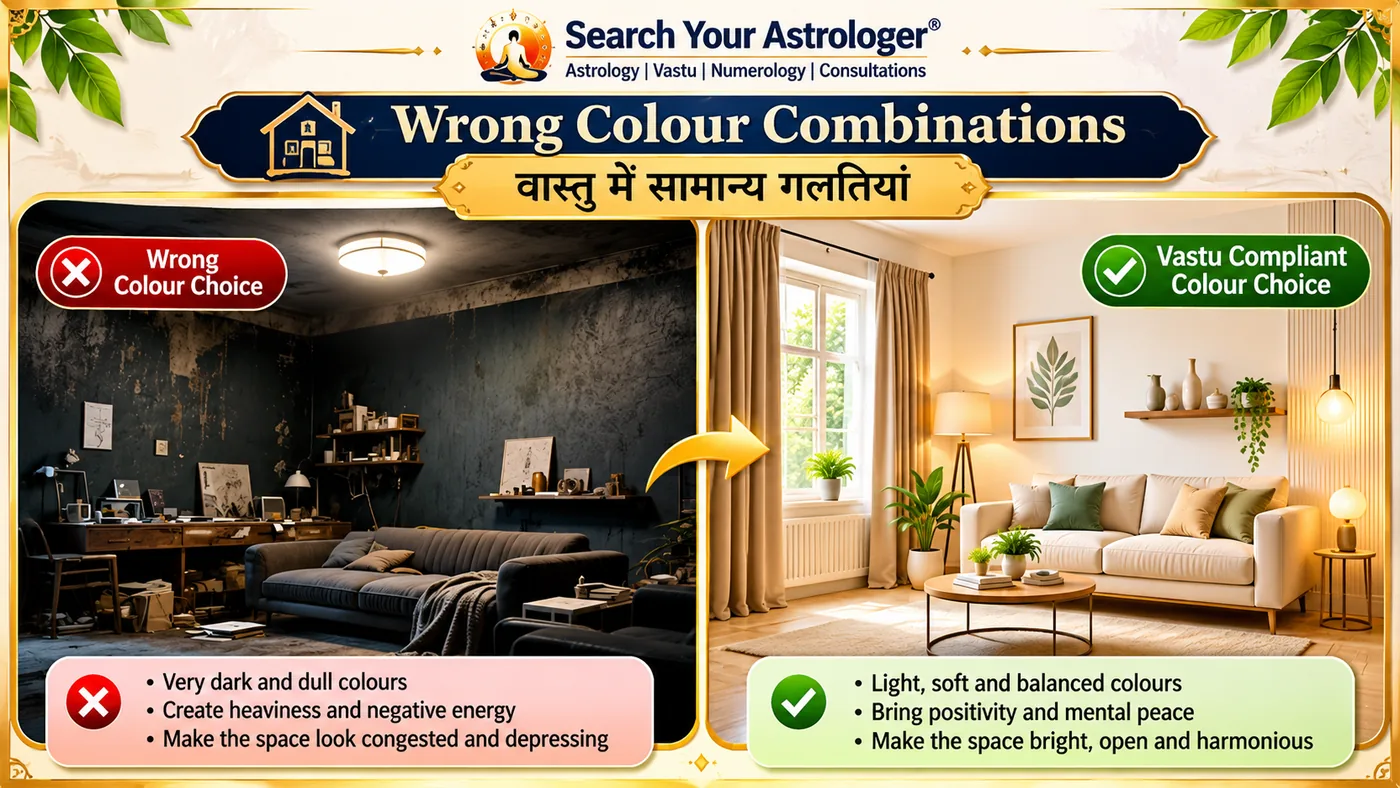
Can Dark Colors Be Used in Vastu?
Dark colors are not automatically unsuitable.
Their suitability depends on several factors:
- Room size
- Natural lighting
- Ceiling height
- Furniture design
- Overall color combination
For example, a dark accent wall may look attractive in a large, well-lit room but may make a small, poorly lit room appear visually congested.
Wall Colors vs Ceiling Colors
A practical approach is to use lighter colors on ceilings to maintain a sense of openness.
Walls can incorporate neutral or element-inspired shades, while furniture and decorative accessories can introduce stronger colors.
Color Selection for Small Apartments
Small homes benefit from:
- Light neutral shades.
- Minimal contrasting combinations.
- Good natural lighting.
- Reflective surfaces where appropriate.
- Consistent color palettes.
Remember that traditional Vastu color associations are part of a cultural and design framework. They are not scientifically established guarantees of health, wealth or prosperity.
9. Room-Wise Application of the Five Elements in Vastu
Understanding the elements becomes more useful when their principles are considered in relation to individual rooms.
Main Entrance
The main entrance is an important part of Vastu planning.
Consider:
- Its actual directional position.
- Adequate lighting.
- A clean and welcoming appearance.
- Unobstructed access.
- Appropriate color coordination.
Living Room
The living room is a shared space for family members and guests.
A balanced combination of natural light, ventilation, comfortable furniture and suitable colors can improve its functionality.
Bedroom
The Earth element is traditionally associated with stability and is commonly considered when discussing bedroom design.
Earthy shades, comfortable furniture and a peaceful atmosphere can create a relaxing environment.
Kitchen
The Fire element is traditionally associated with the kitchen.
Proper appliance placement, ventilation, cleanliness and fire safety should be the primary considerations.
Bathroom
Water is naturally associated with bathing and sanitation.
A bathroom should have proper drainage, ventilation, waterproofing and regular maintenance.
Pooja Room
The North-East is traditionally preferred for prayer and meditation spaces in many Vastu interpretations.
A peaceful environment, adequate lighting and cleanliness are important practical considerations.
Study Room
A study room should provide:
- Comfortable lighting.
- A suitable desk arrangement.
- Minimal distractions.
- Proper ventilation.
- Adequate storage.
Balcony
Balconies can contribute to natural light and airflow.
Plants, comfortable seating and unobstructed openings can help create a pleasant environment.
10. Wrong Color Combinations in Vastu: Common Questions
Color-related questions are among the most frequently discussed topics in Vastu-inspired home design.
Here are some common considerations based on the traditional elemental framework.
1. Is Excessive Blue Color Suitable for the South-West?
In the elemental framework discussed in this article, South-West represents Earth while blue is associated with Water.
Some Vastu interpretations therefore recommend limiting excessive blue in this zone.
However, this is a traditional recommendation rather than a scientifically proven restriction.
2. Should We Use Too Much Blue in the South-East?
The South-East is traditionally associated with Fire.
Blue is associated with Water, and some interpretations consider these elemental associations less compatible.
Warm colors are therefore commonly preferred in this zone.
3. Is Dark Red Suitable for the North-East?
The North-East is associated with Water in the directional framework used here.
Light and peaceful shades are traditionally preferred over extensive use of strong red.
4. Can We Place Heavy Furniture in Brahmasthan?
Traditional Vastu recommends keeping Brahmasthan open and free from unnecessary obstruction.
However, furniture arrangements must also be considered in relation to the actual architecture and movement requirements.
5. Should the Entire House Have the Same Color?
No.
Different rooms have different functions, lighting conditions and design requirements.
A coordinated color palette can be used without making every room identical.
11. How to Balance the Five Elements in Your Home
A balanced home environment does not necessarily require expensive renovations or major structural changes.
Many practical improvements can be made through better maintenance and thoughtful interior planning.
Earth – Create Stability
- Use natural textures.
- Keep heavy furniture properly arranged.
- Maintain organised storage.
- Use balanced earthy colors.
Water – Maintain Purity
- Fix leaking taps and pipes.
- Keep water storage areas clean.
- Avoid stagnant water.
- Maintain bathrooms and drainage systems.
Fire – Manage Energy Safely
- Maintain electrical appliances.
- Ensure safe cooking arrangements.
- Use appropriate lighting.
- Keep heating equipment away from combustible materials.
Air – Improve Circulation
- Open windows when outdoor conditions permit.
- Maintain ventilation systems.
- Avoid blocking air passages.
- Keep balconies and windows reasonably unobstructed.
Space – Maintain Openness
- Remove unnecessary clutter.
- Keep circulation areas clear.
- Use appropriate lighting.
- Maintain a clean central area.
These steps are useful for improving the functionality and comfort of a home, independently of whether someone follows Vastu traditions.
12. Practical Examples: Applying Five Elements in Different Homes
The following are illustrative examples, not actual client case studies.
Example 1: A 2BHK Apartment
Consider a 2BHK apartment with limited space.
The homeowner can understand the five elements through the following approach:
- North-East: Maintain a clean and peaceful area.
- South-East: Give appropriate attention to kitchen safety and functionality.
- South-West: Use comfortable furniture and earthy colors in the bedroom.
- North-West: Maintain ventilation and an organised guest area.
- Centre: Avoid unnecessary clutter.
This approach demonstrates how traditional elemental associations can be considered without requiring major structural modifications.
Example 2: An Independent House
An independent house offers more flexibility in planning.
The homeowner may consider:
- Water-related planning in the North-East.
- Kitchen planning in the South-East.
- Bedroom planning in the South-West.
- Ventilation in the North-West.
- A reasonably open central area.
The actual site, plot shape, building design and practical requirements must also be considered.
Example 3: A Small Urban Home
In a compact apartment, it may not be possible to follow every traditional directional recommendation.
In such cases, homeowners can focus on:
- Appropriate color selection.
- Natural lighting.
- Proper ventilation.
- Cleanliness.
- Safe electrical and plumbing systems.
- Efficient furniture placement.
Vastu-inspired planning should complement practical living rather than make a home uncomfortable or difficult to use.
13. Myths vs Facts About Five Elements in Vastu
There are several misconceptions about the five elements and their application.
| Myth | Explanation |
|---|---|
| Every room must separately contain all five elements. | The five elements are understood as an interconnected concept in traditional philosophy. |
| Changing wall colors automatically removes Vastu defects. | Color recommendations are traditional design suggestions, not guaranteed remedies. |
| Dark colors are always inauspicious. | Their suitability depends on design, lighting and personal preference. |
| North-East must only have blue color. | White and other light shades are also traditionally used. |
| Nothing can ever be placed in Brahmasthan. | Traditional recommendations favour openness, but practical architectural requirements also matter. |
| All Vastu traditions follow exactly the same elemental directions. | Different schools and interpretations may vary. |
Understanding the difference between traditional beliefs, interior design principles and scientifically established facts is essential for making informed decisions.
14. Frequently Asked Questions (FAQs)
Q1. What are the five elements in Vastu Shastra?
The five elements are Earth (Prithvi), Water (Jal), Fire (Agni), Air (Vayu) and Space (Akasha). They are traditionally known as Pancha Mahabhuta.
Q2. Which direction represents the Earth element?
In the directional framework discussed in this article, the South-West direction is associated with the Earth element.
Q3. Which color is best for the North-East direction?
Light blue, white and other soft shades are traditionally associated with the North-East zone.
Q4. Which element is associated with the South-East direction?
The South-East direction is traditionally associated with the Fire element, or Agni.
Q5. What is Brahmasthan in Vastu?
Brahmasthan is the central area of a building. It is traditionally associated with the Space element and is generally recommended to remain clean and reasonably open.
Q6. Which colors are associated with the Water element?
Light blue and white are commonly associated with the Water element.
Q7. Can we use blue color in the South-East direction?
Some Vastu interpretations recommend limiting excessive blue in the South-East because this zone is associated with Fire. However, this is a traditional recommendation, not a scientifically established restriction.
Q8. Which element is associated with the North-West?
The North-West direction is traditionally associated with the Air element.
Q9. What is the importance of the Space element?
The Space element represents openness, expansion and the environment in which the other elements exist. In Vastu, it is associated with Brahmasthan.
Q10. How do the five elements influence home design?
The five elements provide a traditional framework for considering directions, colors, room placement, natural light, ventilation and spatial arrangements.
Q11. What is the relationship between Vastu and colors?
Vastu traditions associate different colors with different elements and directional zones. These associations are often used as references when planning interior spaces.
Q12. Can Vastu colors be used in small apartments?
Yes. Light and coordinated colors can be used in small apartments while considering traditional Vastu associations, available lighting and the room's actual dimensions.
Q13. How can the five elements be balanced in a flat?
Homeowners can focus on cleanliness, natural light, ventilation, water maintenance, electrical safety, appropriate color selection and organised spaces.
Q14. Are Vastu color recommendations scientifically proven?
The traditional associations between colors, directions and elements are not established scientific laws. However, aspects such as natural lighting, ventilation, color perception and indoor comfort have practical relevance in home design.
Q15. Do all Vastu traditions follow the same elemental directions?
No. Different Vastu traditions and interpretative approaches may differ in their explanations of directions, zones and elemental associations. It is important to identify the framework being followed.
Conclusion: Understanding the Five Elements for a Balanced Home
The concept of Pancha Mahabhuta provides an important philosophical foundation for understanding Vastu Shastra.
Earth represents stability, Water represents flow, Fire represents energy, Air represents movement and Space represents openness.
When these five elements are studied in relation to directions, colors and different areas of a home, they offer a traditional framework for understanding the relationship between living spaces and nature.
However, good home design should also consider practical requirements such as natural lighting, ventilation, structural safety, hygiene, plumbing and electrical systems.
Rather than treating Vastu as a collection of rigid rules, homeowners can approach it as a traditional knowledge system that encourages thoughtful planning and a harmonious living environment.
A well-designed home should not only look beautiful but also feel comfortable, functional and welcoming.
About Search Your Astrologer
At Search Your Astrologer, we aim to make traditional knowledge of Vastu Shastra, astrology and related subjects easier to understand through educational resources and practical guidance.
Explore more Vastu-related articles, tools and educational resources to understand your home’s layout, directions and traditional Vastu principles: try the Home Position Analyzer, read more on our Vastu Shastra page, or browse all Stories.